Your packaging might be doing its job – but is it delivering everything it could for your business?
With rising costs, evolving sustainability expectations and increasing pressure on supply chains, even well-established packaging specifications deserve a fresh look.
From materials and formats to suppliers and sourcing strategies, reviewing your packaging portfolio could uncover valuable opportunities to reduce costs, improve efficiency and strengthen your brand.
When Was the Last Time You Reviewed Your Packaging?
For many businesses, packaging specifications evolve gradually over time.
A new product is launched, another SKU is added, a different format is introduced or an alternative supplier is appointed. Before long, what started as a relatively straightforward packaging portfolio can become a complicated mix of materials, sizes, specifications and supply arrangements.
And while each decision may have made perfect sense at the time, the overall portfolio isn’t always reviewed as a whole.
The result? Potentially unnecessary complexity, missed opportunities for consolidation and packaging specifications that may no longer be the most efficient or commercially competitive.
Sometimes, the biggest packaging improvements don’t come from creating something new. They come from taking a closer look at what you already have.
1. Are Your Packaging Specifications Still Fit for Purpose?
Packaging specifications are often developed around the requirements of a particular product, filling line or launch.
But products evolve, production volumes change and new materials and manufacturing technologies become available.
A specification developed several years ago may no longer represent the most effective solution.
Could the material structure be optimised? Is the current thickness still necessary? Could dimensions be adjusted to improve filling efficiency or reduce material consumption? Are you using more packaging than the product actually requires?
Even relatively small adjustments can deliver meaningful benefits when multiplied across thousands or millions of packs.
However, optimisation should never come at the expense of performance.
Barrier properties, seal integrity, product protection, shelf life and filling-line compatibility must all remain central to the process.
The objective is simple: use the right packaging specification for the job, without unnecessary cost or complexity.
2. Could a Different Format Work Better?
Just because a product has always been packed in a particular format doesn’t mean that format remains the best choice.
Consumer expectations, retail requirements and manufacturing capabilities continue to evolve, creating opportunities to rethink how products are presented, protected and used.
For example, could a stand-up pouch provide a more convenient alternative to an existing pack? Would a flat bottom bag improve shelf presentation? Could a different closure offer better functionality? Would a larger format reduce packaging consumption relative to the amount of product packed?
In some cases, the opportunity may involve looking beyond flexible packaging altogether.
Rigid containers, tubs, trays and other formats can offer different benefits depending on the product, application and consumer requirements.
The important thing is to consider packaging formats as part of the wider product strategy rather than simply continuing with what has always been used.
The best packaging format is the one that delivers the right combination of protection, functionality, efficiency and brand appeal.
3. Is Your Material Strategy Supporting Your Sustainability Goals?
Sustainability is now an essential consideration in packaging development, but meaningful progress requires more than simply selecting a material labelled recyclable.
Businesses need to understand how packaging materials perform, how they align with relevant recycling infrastructure and what impact any proposed changes may have on product protection and production efficiency.
For brands still using traditional multi-material laminates, reviewing opportunities to transition towards recyclable mono-material structures may be an important starting point.
Other opportunities could include reducing unnecessary material, optimising pack dimensions, considering recycled content where suitable and reviewing the overall packaging-to-product ratio.
However, every material change needs to be evaluated carefully.
A thinner structure isn’t necessarily better if it compromises product protection. Similarly, a recyclable material must still meet the required barrier, sealing and functional performance standards.
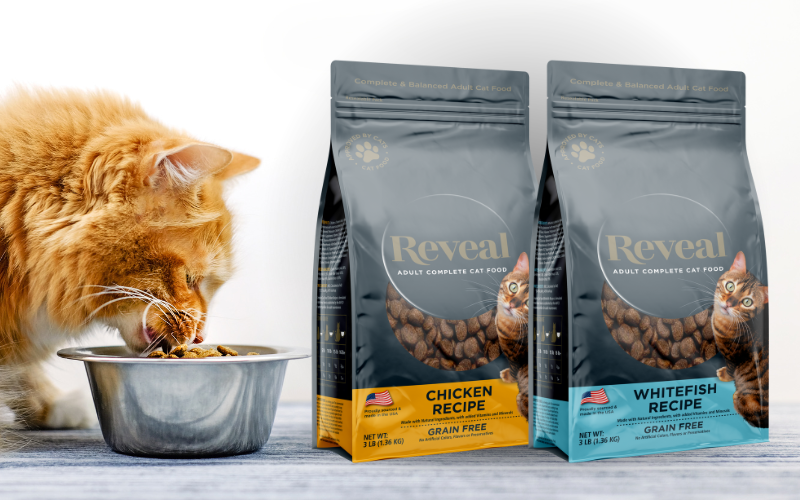
At Law Print, we have supported customers through the development and introduction of recyclable flexible packaging solutions, including mono-material PE structures for demanding pet food applications.
Our experience demonstrates the importance of combining sustainability ambitions with technical assessment, testing and practical production requirements.
The goal isn’t simply to change materials. It’s to make better-informed material choices that work in the real world.
4. Are Too Many Suppliers Creating Unnecessary Complexity?
As packaging portfolios expand, supplier relationships often multiply.
One supplier provides printed flexible films, another produces bags, another supplies rigid containers, while different manufacturing partners may be involved across multiple product categories or markets.
While specialist suppliers can bring valuable expertise, managing a fragmented supply base can also introduce additional administration, inconsistent specifications and unnecessary complexity.
Taking a portfolio-wide view may reveal opportunities to consolidate certain requirements through fewer, more capable packaging partners.
Potential benefits include:
- Simplified procurement: Fewer relationships, quotations and supply arrangements to manage
- Greater consistency: Better coordination of materials, print quality and packaging specifications
- Improved visibility: A clearer understanding of overall packaging expenditure and future requirements
- Stronger collaboration: Opportunities to develop longer-term partnerships rather than managing individual transactions
- Portfolio-wide innovation: Access to broader expertise across different materials, formats and manufacturing technologies
Of course, consolidation shouldn’t mean compromising flexibility or becoming overly dependent on a single manufacturing source.
The strongest approach balances efficient supplier management with access to the capabilities and supply options a business needs.
With Law Print’s established flexible packaging expertise and access to the wider SCGP Flexible + Rigid packaging portfolio, customers can explore a broader range of packaging requirements through one experienced point of contact.
5. Are You Looking at the Total Cost of Packaging?
The lowest unit price doesn’t always represent the best overall value.
Packaging procurement decisions can have a much wider financial impact than the cost of an individual bag, pouch, film or container.
Minimum order quantities, freight, warehousing, inventory levels, production efficiency, material waste and working capital all contribute to the true cost of packaging.
For example, a larger production run may reduce the unit price but increase stockholding requirements. A smaller order manufactured closer to market may cost more per pack but offer greater flexibility and reduce inventory exposure.
Similarly, a packaging format that runs more efficiently on a filling line could deliver operational savings that outweigh a modest difference in purchase price.
This is why packaging should be reviewed from a total cost perspective, rather than simply comparing quotations.
At Law Print, our global sourcing capabilities across Asia and Europe allow us to explore different manufacturing options according to the specific requirements of each project.
By considering cost, MOQ, lead time, technical capability and flexibility together, brands can make more informed decisions about how their packaging is sourced.
6. Could Better Forecasting Improve Your Packaging Supply?
Packaging efficiency doesn’t stop at the specification or manufacturing location.
Forecasting and supply planning also play an important role in how effectively a packaging portfolio performs.
Are order quantities aligned with actual demand? Are some SKUs consistently overstocked while others regularly require urgent replenishment? Could better visibility of future requirements improve production planning?
For businesses managing multiple products, seasonal ranges or international supply chains, these questions are particularly important.
Sharing realistic forecasts with packaging partners can help improve planning, reduce unnecessary stockholding and support more reliable supply.
It may also reveal opportunities to coordinate production schedules, consolidate orders or review the sourcing strategy for different product ranges.
Better packaging planning can be just as valuable as better packaging design.
7. Look at the Portfolio, Not Just the Individual Pack
Perhaps the greatest opportunity comes from stepping back and reviewing packaging as a complete portfolio.
Rather than assessing every SKU independently, consider how the different elements work together.
Are there opportunities to standardise certain dimensions or specifications? Could multiple products use a common material structure? Are packaging formats consistent with the wider brand identity? Could similar requirements be grouped to improve purchasing efficiency?
A portfolio review may also highlight opportunities for innovation that would otherwise go unnoticed.
For example, brands operating across dry food, wet food, treats and supplements may have requirements spanning flexible bags, pouches, trays, tubs and other rigid formats.
Looking at these requirements together can help identify opportunities for greater consistency, more efficient sourcing and stronger collaboration.
The objective isn’t to make every pack identical. It’s to ensure that every packaging decision contributes to a more effective overall strategy.
Small Changes, Big Opportunities
Packaging optimisation doesn’t always require a major redesign, a complete material conversion or a change of supplier.
Sometimes it starts with a simple question.
Why are we using this specification? Could this format work better? Is there a more appropriate material? Are we buying the right quantities? Could our suppliers help us achieve more?
Asking these questions regularly can help businesses identify improvements that might otherwise remain hidden within established processes.
And as packaging requirements become more complex, the value of a proactive, joined-up approach will only increase.
Conclusion: Make Your Packaging Work Smarter
Your packaging portfolio should be doing more than protecting products and looking good on the shelf.
It should support your commercial objectives, sustainability ambitions, operational efficiency and long-term supply strategy.
By reviewing specifications, materials, formats, suppliers and sourcing arrangements, brands can uncover opportunities to reduce unnecessary costs, simplify procurement and improve packaging performance – often without reinventing the entire portfolio.
At Law Print, we believe the best packaging solutions start with understanding the bigger picture.
With decades of flexible packaging experience, technical expertise, international manufacturing partnerships and access to the wider SCGP Flexible + Rigid packaging capabilities, we can help customers take a fresh look at their packaging requirements.
From material optimisation and recyclable structures to alternative formats, supplier consolidation and global sourcing strategies, our team can help identify practical opportunities for improvement.
So, is your packaging portfolio working hard enough?
If you’re not sure, perhaps it’s time for a fresh perspective.
Talk to the Law Print team about reviewing your packaging portfolio and discovering what more your packaging could do for your business.
Contact us on +44 (0) 161 440 7302 or sales@lawprintpack.co.uk. Alternatively, follow this link to complete our contact form.